What is the main purpose of Luke’s book, Choosing Bankruptcy?
by Luke Homen
Video Transcript
The book is designed to provide answers, build confidence, and help individuals feel comfortable exploring the option of filing for bankruptcy. It aims to address common fears and misconceptions, empowering readers to make informed decisions about their financial situation.
What is the biggest misconception that Luke aims to clear up regarding bankruptcy?
One of the key misconceptions is the belief that filing for bankruptcy means losing everything. Luke emphasizes that there are exemptions in place, allowing individuals to keep essential assets such as their home, car, personal belongings, and even certain investments. Additionally, he debunks the myth that filing for bankruptcy will permanently ruin one’s ability to borrow money in the future, highlighting that it can actually lead to improved creditworthiness post-bankruptcy.
Is there a specific threshold of debt that determines whether someone should file for bankruptcy?
There is no set minimum or maximum amount of debt that dictates whether someone should file for bankruptcy. Luke explains that the decision is highly individualized and depends on an individual’s ability to realistically repay their debts. Factors such as income, expenses, and the nature of the debts are considered when determining if bankruptcy is a viable solution.
What are the main differences between Chapter 7 and Chapter 13 bankruptcy?
In Luke’s practice, around 75% of clients opt for Chapter 7 bankruptcy, which involves a shorter process of about three and a half months and does not require ongoing debt payments. On the other hand, Chapter 13 bankruptcy typically spans a five-year repayment program where individuals make monthly payments towards their debts. Chapter 13 can be beneficial for addressing issues like foreclosures and certain tax debts that cannot be eliminated through Chapter 7.
Why is it important to clarify how bankruptcy can stop actions like garnishments and foreclosures?
Luke stresses the importance of educating individuals about their rights in the face of aggressive creditor actions. By understanding the protections offered by bankruptcy, individuals can navigate these challenging situations with clarity and make informed decisions. This knowledge empowers individuals to distinguish between scare tactics and legitimate legal processes.
How does Luke explain the complexities of bankruptcy processes involving various parties like trustees, creditors, and the court?
Luke highlights the intricate nature of bankruptcy proceedings, likening it to a multi-faceted process involving multiple stakeholders. He emphasizes the need for legal guidance to navigate the complexities and ensure a smooth resolution. By explaining the roles and rules governing bankruptcy, individuals can better understand the dynamics at play during the bankruptcy process.
Does Luke’s book address post-bankruptcy credit repair and rebuilding strategies?
Yes, the book covers life after bankruptcy, including strategies for credit repair and rebuilding. Luke provides insights into how individuals can work towards improving their credit scores post-bankruptcy. By following the right advice and utilizing credit repair programs, individuals can pave the way for a healthy financial future.
How does Luke dispel common myths about debts that individuals believe are non-dischargeable, such as student loans and tax debts?
Luke explains that contrary to popular belief, student loans and tax debts are not always immune to discharge in bankruptcy. With the guidance of an experienced attorney, individuals can explore pathways to potentially eliminate significant amounts of tax debts and even some student loans. By following a strategic approach and understanding the legal nuances, individuals can seek relief from these burdensome debts.
Are there specific assets or items that individuals may be required to surrender during bankruptcy proceedings?
Certain non-essential assets, such as minerals, luxury vehicles, or high-value investments, may be subject to surrender in bankruptcy. Luke clarifies that bankruptcy exemptions protect essential assets like homes, cars, clothing, and personal belongings. However, assets beyond what is deemed necessary for a fresh financial start may be subject to liquidation to repay debts.
What does a financial comeback entail for individuals seeking bankruptcy relief, according to Luke?
A financial comeback, as described by Luke, involves providing individuals with a lifeline out of their financial distress. By filing for bankruptcy, individuals can escape the cycle of debt and begin a new chapter in their financial lives. This process allows individuals to shed the burdens of past financial challenges and move forward towards a fresh start and financial freedom.
What kind of questions does Luke hope individuals will bring to their initial consultation regarding bankruptcy?
Luke encourages individuals to come prepared with a general overview of their financial situation, including details about their debts, assets, and income. By having a basic understanding of their financial standing, individuals can engage in meaningful discussions about whether bankruptcy is a suitable option for them. Providing relevant information allows Luke to offer tailored advice and guidance during the initial consultation process.
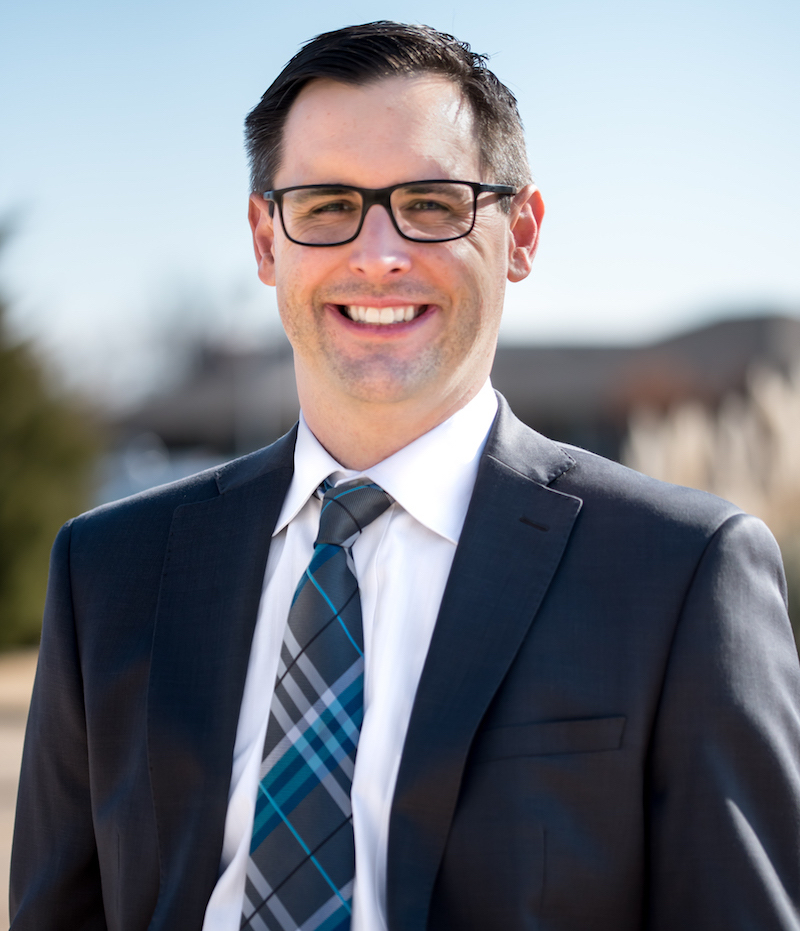
Attorney Luke Homen is the President of Convenient Bankruptcy. He places great value on helping individuals and families solve their financial challenges and achieve real financial freedom. His goal is to find a customized solution that fits each client’s unique situation. Luke has been practicing law since 2008, and was voted “Best Bankruptcy Attorney in Oklahoma” by The Oklahoman in the Reader’s Choice Awards.