What Bankruptcy Really Stops, and What It Doesn’t
by Luke Homen
Video Transcript
What is the automatic stay in bankruptcy, and why is it so powerful?
Luke Homen explains that the automatic stay is one of the most powerful protections in bankruptcy law. The moment a bankruptcy case is filed, the automatic stay halts most collection actions, including lawsuits, wage garnishments, foreclosures, repossessions, and creditor harassment. It gives debtors immediate breathing room while the bankruptcy court evaluates their case.
Which collection actions stop immediately after filing bankruptcy?
According to Homen, the automatic stay stops nearly all creditor actions:
- Lawsuits in civil court
- Wage garnishments
- Foreclosure proceedings on a home
- Repossession of vehicles
- Collection calls and letters
This pause allows individuals to regroup financially and work with their attorney on next steps.
Does bankruptcy stop wage garnishments in Oklahoma?
Yes. Homen clarifies that Oklahoma law allows creditors to garnish up to 25% of wages. Filing for bankruptcy immediately stops wage garnishment and requires employers to halt withholding. This protection applies in both Chapter 7 and Chapter 13 bankruptcy cases.
Does bankruptcy stop evictions or foreclosures?
Bankruptcy can stop foreclosures but not necessarily evictions in Oklahoma. Homen notes that if a foreclosure is pending, Chapter 13 bankruptcy can stop the process and allow the debtor to repay mortgage arrears over time. However, if a landlord has already obtained a judgment for possession, bankruptcy generally will not prevent an eviction.
What types of debts are not eliminated by bankruptcy?
Some debts survive bankruptcy. Homen explains that obligations such as child support, alimony, most student loans, and certain tax debts are not dischargeable. While bankruptcy can stop collections temporarily, these debts must still be paid.
Can creditors ever bypass the automatic stay?
Yes. Creditors can file a motion for “stay relief” if they believe their collateral is at risk or the debtor has no realistic plan to repay. For example, a mortgage lender may request stay relief to proceed with foreclosure. Homen emphasizes that a skilled bankruptcy attorney can challenge these motions and protect the debtor’s rights.
What should debtors do if creditors keep calling after bankruptcy is filed?
If creditors continue collection efforts after filing, Homen advises providing them with the bankruptcy case number and attorney contact information. If harassment persists, debtors should inform their attorney, who can notify the bankruptcy court. Creditors who violate the stay may face penalties.
How does bankruptcy affect co-signers?
Homen explains that co-signers face different outcomes depending on the type of bankruptcy:
- In Chapter 7, co-signers remain fully liable for the debt.
- In Chapter 13, the co-debtor stay can protect co-signers as long as the debtor continues making payments through the repayment plan.
This distinction makes Chapter 13 a more effective option for individuals seeking to protect co-signers.
Does bankruptcy apply to state tax debt, professional licenses, and tribal lenders?
Homen dispels common myths, noting that bankruptcy can address many types of state tax debt, though not all. He also confirms that professional licenses are not revoked simply for filing bankruptcy. Regarding tribal lenders, he emphasizes that they are subject to federal bankruptcy law just like other creditors, despite common misconceptions.
What is Luke Homen’s final advice about what bankruptcy really stops?
Homen advises that bankruptcy is not a one-size-fits-all solution. While it provides powerful tools like the automatic stay, every case is fact-specific. A tailored plan—whether through Chapter 7 or Chapter 13—ensures maximum protection of assets, co-signers, and financial stability. His core message: bankruptcy is a legal reset that restores dignity and peace of mind.
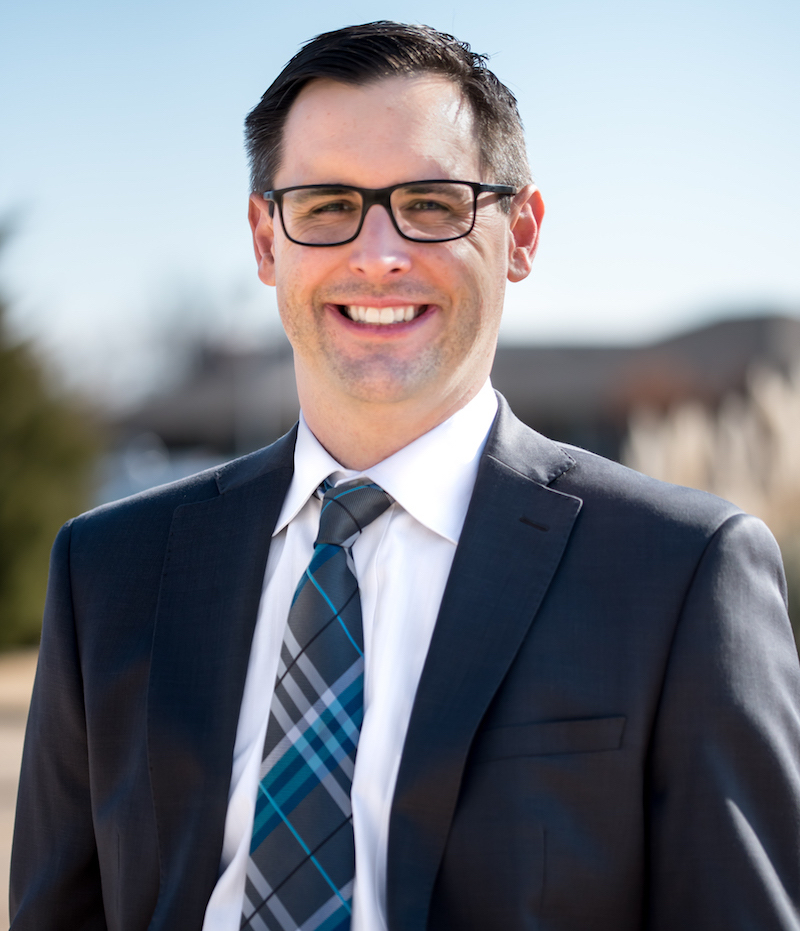
Attorney Luke Homen is the President of Convenient Bankruptcy. He places great value on helping individuals and families solve their financial challenges and achieve real financial freedom. His goal is to find a customized solution that fits each client’s unique situation. Luke has been practicing law since 2008, and was voted “Best Bankruptcy Attorney in Oklahoma” by The Oklahoman in the Reader’s Choice Awards.